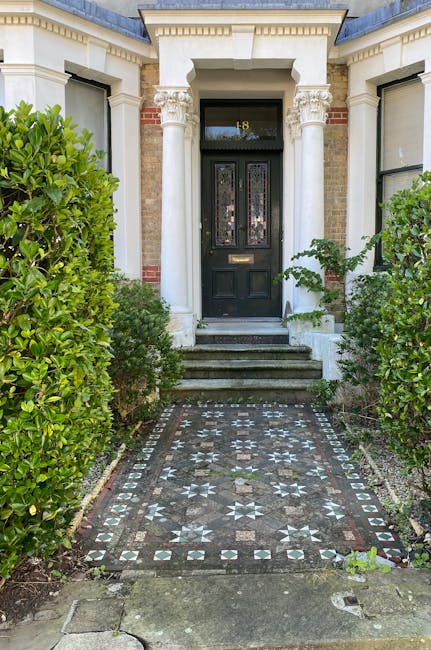
Top gardeners for Crouch End Broadway homes N8
If you live near Crouch End Broadway, you already know the gardens here can be a bit of a mixed bag. Some are compact front plots that need neat shaping and regular upkeep. Others are long back gardens with mature planting, tired lawns, or awkward access through the side return. Finding Top gardeners for Crouch End Broadway homes N8 is really about more than just booking someone with a mower. It is about choosing a team that understands London gardens, local property styles, and the rhythm of work that keeps a home looking cared for without turning it into a project that drags on for weeks.
In this guide, we'll look at how to judge quality, what a good gardener should actually do, and how to avoid the common mistakes that lead to patchy results. You'll also find practical steps, a comparison table, a real-world example, and a checklist you can use before you book. Straightforward, useful, no nonsense.
Table of Contents
- Why Top gardeners for Crouch End Broadway homes N8 Matters
- How Top gardeners for Crouch End Broadway homes N8 Works
- Key Benefits and Practical Advantages
- Who This Is For and When It Makes Sense
- Step-by-Step Guidance
- Expert Tips for Better Results
- Common Mistakes to Avoid
- Tools, Resources and Recommendations
- Law, Compliance, Standards, or Best Practice
- Options, Methods, or Comparison Table
- Case Study or Real-World Example
- Practical Checklist
- Conclusion
- Frequently Asked Questions
Why Top gardeners for Crouch End Broadway homes N8 Matters
Gardens around Crouch End Broadway are often part of the home's first impression. That sounds obvious, but in practice it changes everything. A tidy front garden, properly pruned shrubs, and a healthy lawn can make a narrow terrace feel brighter and more welcoming. A neglected space does the opposite. It can make the whole property feel smaller, darker, and, frankly, a bit forgotten.
There's also the practical side. London gardens often deal with shallow soil, shade from nearby buildings, compacted ground, and hedges that seem to grow faster than you can manage. A skilled local gardener understands these conditions. They will not treat every plot like a suburban lawn from a catalogue. They'll notice what actually needs attention and what can be left alone for the moment. That judgement matters more than people realise.
For homeowners, landlords, and busy residents, using experienced gardeners can save time, reduce avoidable plant loss, and make long-term maintenance easier. If you want to explore broader home upkeep alongside garden work, you may also find our gardening services page useful, especially if you're thinking beyond a one-off visit.
Expert summary: The best gardening help in Crouch End is not just about neatness. It is about choosing someone who can keep a garden healthy, manageable, and appropriate to the property, season after season.
How Top gardeners for Crouch End Broadway homes N8 Works
In simple terms, the process usually starts with understanding the garden as a living space, not a checklist. A proper gardener will look at what is growing, how light moves through the plot, whether drainage is poor, and how much ongoing maintenance the space can realistically support. That first assessment is often where quality shows up.
From there, work typically falls into a few categories:
- Routine maintenance such as mowing, edging, weeding, and hedge trimming.
- Seasonal work including pruning, leaf clearance, planting, mulching, and bed tidying.
- Restoration work for overgrown gardens, neglected borders, or lawns that need re-establishing.
- Advisory work where the gardener helps you decide what to keep, reshape, or replace.
The best results usually come from combining immediate tidy-up work with a sensible long-term plan. For example, a garden may need a hard cut-back in spring, but that does not mean every plant should be cut hard at the same time. Some shrubs prefer selective pruning, while others respond better to shaping after flowering. A good gardener knows the difference. A rushed one, not so much.
If your outside space includes paving, wall edges, or access issues, it can help to look at related maintenance too. Our patio cleaning service and jet washing options are often relevant for homes where the garden and hard landscaping need to work together. Truth be told, a clean patio makes the planting look better too.
Key Benefits and Practical Advantages
The biggest benefit is not just "a nicer-looking garden", although that is a pleasant side effect. The real value is control. When a garden is managed properly, problems stay small. Weeds do not take over the borders. Hedges do not swallow the light. Lawns recover instead of thinning out. And you avoid that slightly panicked feeling of looking out on a Saturday morning and thinking, where do I even start?
Here are the main advantages homeowners usually notice:
- Better street appeal for front gardens and entrance areas.
- Lower long-term stress because regular care prevents catch-up work.
- Healthier planting through proper pruning, feeding, and seasonal timing.
- Safer outdoor areas by keeping paths, steps, and access routes clear.
- More usable space for children, pets, entertaining, or quiet time.
- Smarter spending because well-planned care often reduces expensive remedial work later on.
There is also a quieter benefit that people mention after the work is done: the garden feels easier to live with. You open the back door and instead of seeing a list of jobs, you see a space that breathes a bit. That matters. Especially in a busy place like N8, where outdoor space is often the one bit of calm you get at home.
Who This Is For and When It Makes Sense
This kind of service makes sense for a wide range of people, but it is especially useful if you recognise any of these situations:
- You have a busy work schedule and garden tasks keep slipping.
- Your garden has become overgrown after a period of neglect, illness, travel, or a move.
- You've got a front garden that needs to stay presentable but you do not want weekend chores every week.
- You are preparing to sell, let, or simply refresh the property.
- Your garden design needs practical improvement, not just maintenance.
- You're not sure which plants are worth saving and which ones are dragging everything down.
Landlords and managing agents also benefit from reliable gardening help. So do older homeowners who would rather avoid heavy lifting, and families who want a safe, tidy outdoor area without the constant chase. For people living in terraced or semi-detached homes around Crouch End Broadway, access can be awkward and the work can be more physical than it first looks. That's where experience matters.
If your property has recurring issues with blocked gutters, damp walls, or mossy surfaces nearby, it may also be worth looking at related exterior care such as gutter cleaning. Gardens and building maintenance often overlap more than people think.
Step-by-Step Guidance
Choosing the right gardener becomes much easier if you treat it like a proper decision rather than a quick search and hope. Here's a sensible way to approach it.
- Start with the outcome you want. Do you need routine upkeep, a one-off clearance, planting advice, or a full reset? Be clear on the difference.
- Walk the garden before asking for quotes. Make a note of problem areas, hidden corners, broken edges, or plants you want to keep. A quick photo or two helps as well.
- Ask what is included. Mowing, edging, waste removal, pruning, plant disposal, and travel time are not always bundled in the same way.
- Check whether the gardener knows local garden conditions. Shaded plots, clay-heavy soil, and compact front gardens need different handling from open, sunny spaces.
- Discuss timing. Some work is best done in specific seasons. A tidy-up in early spring is not the same as summer shaping or autumn clearance.
- Agree on maintenance frequency. A fortnightly visit may be enough for some spaces. Others need monthly attention or a more seasonal approach.
- Confirm how waste will be handled. Green waste removal should be clear before the first cut begins.
- Review the results after the first visit. Good gardeners welcome feedback. A small adjustment early on saves annoyance later.
A useful habit is to keep one simple note on your phone with the garden's recurring issues. It sounds a bit mundane, yes, but it works. You'll remember the slippery patch by the fence, the rose that needs a gentler hand, the weeds that return after rain. Details like that help a gardener work better from the start.
Expert Tips for Better Results
Here are a few practical tips that make a real difference, especially in London gardens where space is limited and conditions can change quickly.
- Work with the seasons, not against them. Pruning at the wrong time can reduce flowering or leave plants stressed.
- Do not overcut everything. A severe cut can be right for some shrubs, but not as a blanket rule. Context matters.
- Keep paths and edges defined. Clean lines make even a modest garden look much more deliberate.
- Prioritise soil health. Compost, mulch, and sensible feeding often do more than another quick trim ever could.
- Think in layers. Ground level, border height, and overhead structure all affect how the garden feels.
- Choose low-maintenance planting where appropriate. Not every garden should be packed with high-effort plants. Sometimes that's just asking for trouble.
One local reality worth mentioning: in smaller N8 gardens, the difference between "full" and "cluttered" can be just a few badly placed plants. A good gardener knows how to create breathing space. Not emptiness. Space. That's a subtle but important distinction.
For homeowners who want the outdoor area to feel polished as a whole, it may help to combine gardening with exterior refresh work such as fencing services or even decking care and repair, depending on the layout. A garden rarely exists in isolation.
Common Mistakes to Avoid
Some mistakes are surprisingly common, and they tend to cost time or money later. The good news is that most of them are easy to avoid once you know what to watch for.
- Choosing only on price. Cheap can be fine for simple tasks, but if the garden needs judgement, the lowest quote is rarely the best value.
- Not being clear about the job. "Tidy the garden" means something different to everyone. Be specific.
- Ignoring access issues. Narrow side passages, locked gates, or shared entrances can affect how the work is done.
- Forgetting waste removal. A neat cut is not much use if sacks of clippings are left sitting around for days.
- Assuming every plant should be cut back hard. That is a quick route to disappointment.
- Letting maintenance gaps get too long. Once a garden has slipped badly, recovery usually takes longer than people expect.
Another common slip is asking for a "low-maintenance garden" without defining what that means. For one person, it means no lawn. For another, it means flowering plants that can survive a dry spell and the occasional forgotten watering. Be fair to the gardener and to yourself: spell it out.
Tools, Resources and Recommendations
The best gardeners bring more than tools. They bring the right approach. Still, the equipment matters, especially when the work needs to be clean, efficient, and safe.
Useful tools and resources often include:
- Sharp secateurs and loppers for clean pruning cuts.
- Reliable lawn equipment for edging and regular cutting.
- Leaf rakes, shears, and hand tools for detailed border work.
- Waste bags or bins for responsible green waste handling.
- Soil improvers, compost, and mulch for healthier beds.
- Plant identification and seasonal reference notes.
On the homeowner side, it helps to keep a few practical resources handy: a simple garden photo log, a note of plant names if you know them, and a rough plan of what you would like preserved. If you are unsure about plant choice or layout, our planting and border design support can help make decisions feel less guessy. That's often where people get unstuck.
For broader property care, related services such as pressure washing can improve patios, paths, and driveways so the whole outside area feels more cohesive. Sometimes the garden looks better when the surfaces stop competing with it.
Law, Compliance, Standards, or Best Practice
For most domestic garden jobs in Crouch End Broadway and the wider N8 area, the main concern is not complicated regulation. It is good practice, safety, and respect for neighbours and property boundaries. That said, a trustworthy gardener should still work carefully and sensibly.
Some useful points to keep in mind:
- Waste should be managed responsibly. Green waste needs to be disposed of properly, not dumped or left to become a nuisance.
- Noise and timing matter. Early starts and loud machinery can affect neighbours, so reasonable working hours are part of good practice.
- Property boundaries should be respected. Hedges, overhanging branches, and shared fences can be sensitive areas. It's best to clarify ownership before cutting.
- Safe tool use is essential. Sharp tools, ladders, and powered equipment should be used with care and appropriate protective gear.
- Plant safety should be considered. Some plants can irritate skin, so gloves and sensible handling are wise.
Where trees are involved, local rules or permissions may apply depending on the tree, location, and whether protection measures exist. A good gardener should be cautious here and avoid making assumptions. If tree work is involved, it is always better to check properly rather than guess. That small pause can save a lot of hassle.
For homeowners who want a reliable, professional approach, asking how a gardener handles waste, safety, and property boundaries is not being fussy. It is normal. It shows you care about the job being done properly.
Options, Methods, or Comparison Table
Different gardens need different kinds of support. Some are fine with routine maintenance. Others need more intervention at the start and a lighter touch later. Below is a simple comparison to help you decide what fits your situation best.
| Approach | Best for | Typical strength | Watch out for |
|---|---|---|---|
| Regular maintenance visits | Front gardens, tidy family gardens, rental properties | Keeps the space under control and consistent | Can fall behind if visits are too infrequent |
| One-off clearance | Overgrown or neglected gardens | Fast improvement and visible change | May need follow-up visits to stay manageable |
| Seasonal work | Gardens with established planting and varied borders | Supports healthy growth at the right time of year | Timing has to be planned carefully |
| Design-led maintenance | Homes wanting better layout and easier upkeep | Improves both appearance and long-term practicality | Takes more discussion upfront |
If you are unsure which route suits your home, start with the least complicated honest answer: what is the garden like today, and what do you need it to become? That question usually clears the fog pretty quickly.
Case Study or Real-World Example
Consider a typical Crouch End Broadway terrace with a small front garden, a narrow rear plot, and a back area that has drifted into "I'll deal with it next weekend" territory. The hedge is uneven, the lawn has patches, and the borders are crowded with a few survivors and a lot of weeds. Nothing dramatic. Just tired.
The first visit focuses on clearance and structure. The front is edged, the hedge is shaped, the dead growth is removed, and the rear garden is opened up so the light can reach the space again. The gardener then identifies what should stay, what needs dividing, and what is simply taking over. A few plants are kept because they suit the conditions. A couple are moved. One section gets fresh mulch. Not a complete transformation overnight, but a solid reset.
By the second or third visit, the garden stops looking like a repair job and starts looking intentional. The owner can see where the lawn is recovering, where the borders are becoming simpler to manage, and where the patio now feels connected to the planting rather than buried beside it. That is often the real win. Not perfection. Just a garden that works.
And yes, sometimes the most useful change is as ordinary as being able to open the back door without feeling a tiny wave of defeat. It happens.
Practical Checklist
Use this checklist before booking or reviewing garden work:
- Define whether you need routine maintenance, clearance, planting, or design help.
- List the main problem areas and any plants you want kept.
- Take a few photos in daylight so the condition is clear.
- Ask what is included in the quote.
- Check whether waste removal is covered.
- Confirm access to gates, taps, and storage if needed.
- Ask about timing for seasonal work.
- Discuss how often future visits should happen.
- Make sure any boundary, tree, or neighbour-sensitive issues are flagged early.
- Review the first visit and note any adjustments for next time.
Quick takeaway: the best gardening support is the one that fits the garden you actually have, not the one you wish appeared out of nowhere. Realistic planning beats guesswork every time.
Conclusion
Choosing among the Top gardeners for Crouch End Broadway homes N8 is really about finding someone who understands how to make a London garden look good and stay manageable. The right gardener will give you more than neat grass and clipped hedges. They'll help you protect the space, improve its shape, and make sensible decisions about what to keep, change, or let go.
Start with clarity, ask the practical questions, and look for evidence of judgment rather than just speed. That is usually where quality shows itself. If your garden has been bothering you for months, or if you simply want it to feel calmer and easier to live with, now is a very good time to act.
Get a free quote today and see how much you can save.
And if you take one thing from this guide, let it be this: a well-kept garden does not need to be grand to feel right. It just needs care, consistency, and a little attention at the right moment.
Frequently Asked Questions
What should I look for in a gardener for a Crouch End Broadway home?
Look for experience with local London gardens, clear communication, realistic timing, and a sensible approach to maintenance. The best fit is someone who understands both the planting and the practical layout of your space.
Do I need a one-off garden clearance or regular maintenance?
If the garden has become overgrown, a one-off clearance is often the right starting point. If you want to keep it tidy long term, regular maintenance is usually better value and less stressful.
How often should a garden in N8 be maintained?
It depends on the size, planting, and how quickly things grow. Some gardens need weekly or fortnightly attention in peak season, while others are fine with monthly or seasonal visits.
Can gardeners help with planting advice as well as maintenance?
Yes, many can. This is especially useful if you want lower-maintenance borders, better year-round structure, or plants that cope well with shade and limited space.
What is usually included in a gardening quote?
That varies, so always check. A quote may include mowing, edging, weeding, pruning, hedge trimming, and green waste removal, but not every gardener prices these the same way.
Should I ask about waste removal before booking?
Absolutely. It is one of the most common things people forget to confirm. Knowing how clippings and cuttings will be handled avoids a messy surprise later.
Are there any special rules for trees or hedges?
There can be, depending on the tree, location, and whether any protections apply. It is best to be cautious and check before any major tree work begins, rather than assume it is fine.
What if my garden is very small?
Small gardens often benefit the most from skilled help. Every plant, border, and path matters more in a compact space, so good pruning and simple structure can make a big difference.
How do I know if a gardener is worth the cost?
Look beyond the cheapest quote. A worthwhile gardener saves you time, improves the garden's health, and avoids mistakes that can cost more to fix later. Value is not just the lowest number.
Can a gardener help prepare my property for sale or renting?
Yes. A tidy front garden and a well-kept outside space can make a property feel more cared for and easier to present. It does not need to be elaborate. It just needs to look deliberate and tidy.
What season is best for garden work?
There is no single best season because different jobs suit different times of year. Spring is often good for tidy-up work and planting, summer for maintenance, and autumn for clearing and preparation.
How can I make my garden easier to maintain long term?
Choose plants suited to the light and soil, keep borders simple, avoid overcrowding, and set up a maintenance schedule that matches your real routine. A good gardener can help you build that kind of plan.