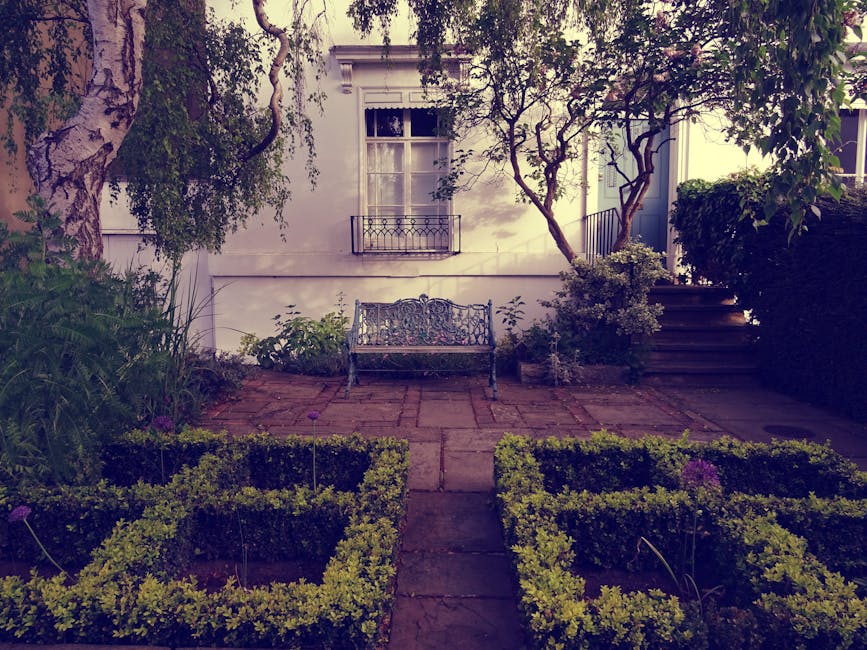
Hedge Trimming in Crouch End

We provide hedge trimming in Crouch End for gardens that need cleaner lines, better balance and healthier growth. Our work is focused on shaping hedges, reducing overgrowth and keeping formal or informal boundaries in tidy condition. Whether the hedge is decorative, screening a front garden or forming a boundary at the back of a property, the aim is to leave it neat, even and appropriate to the plant’s growth pattern.
The service covers routine hedge trimming as well as more careful cutting for hedges that have become uneven, too tall or difficult to manage. We can work with a range of hedge types, from dense evergreens to mixed planting that needs selective cutting rather than hard reduction. Careful trimming matters because poor cutting can leave bare patches, spoil shape or weaken regrowth, so the approach is always guided by the hedge itself rather than a one-size-fits-all finish.
For a clearer garden edge and a manageable maintenance plan, this page explains the main hedge trimming work we offer, how different jobs are handled and where related garden services may also be useful. If you are comparing options or planning seasonal work, you can also review pricing and quote details before you request a quotation.
Regular hedge trimming and seasonal shaping
Regular trimming is the simplest way to keep a hedge under control before it becomes dense, top-heavy or awkward to cut back. In many gardens, a hedge benefits from light but consistent attention rather than occasional drastic cutting. We trim with attention to the hedge’s natural habit, helping maintain a crisp outline while avoiding unnecessary stress on the plant. That can be especially helpful for front boundary hedges, where a level top and straight faces create a tidier overall look.
Seasonal shaping is also useful when a hedge has put on a lot of growth since the last cut. In those cases, the work is not only about appearance; it is about restoring proportion and making later maintenance easier. Trimming can improve access along paths, reduce encroachment over drives or narrow garden runs, and keep the hedge from shading nearby planting too heavily. If you want to see the wider range of garden help we offer, our garden maintenance page is a useful next step.
Reducing height, tidying sides and restoring shape

Some hedges need more than a light trim. When a hedge has grown too tall, widened at the base or lost its original line, a reduction can bring it back into a more workable form. This needs judgement, because different hedge species respond differently to cutting, and a heavy reduction may be suitable in one case but not another. Our approach is to restore shape without stripping the hedge back more than it can comfortably recover from.
Side trimming is often as important as reducing height. A hedge that leans into the garden, spills over a boundary or catches on a pavement can make a property feel untidy even if the top is level. By re-establishing the faces and corners, the hedge becomes easier to manage in future visits. Where the work forms part of a larger garden tidy-up, the same visit can be coordinated with other services such as garden clearance when waste, cuttings or other unwanted material also needs removal.
For more complex hedges, the likely outcome depends on what the hedge is, how long it has been left, and how much healthy growth remains. A reduction is not only a visual task; it is also about leaving enough active growth for recovery. That is why honest assessment matters before cutting begins. If you are unsure whether your hedge needs simple trimming, stronger reshaping or phased work over time, a quotation request can help clarify the most suitable approach.
Hedge types, boundary lines and careful cutting
Different hedge types call for different methods. Some respond well to regular clipping and hold a crisp edge, while others look better with a softer finish that respects natural leaf and stem structure. In mixed gardens, the same hedge may also vary along its length if one section receives more light or grows more strongly than another. Our trimming work takes those differences into account so the final result looks deliberate rather than forced.
Boundary work also matters where the hedge needs to sit neatly against fences, walls, pathways or planting beds. It is often the line of the hedge, not just its height, that gives the garden its sense of order. Even small corrections can make a large visual difference when a hedge has wandered beyond its intended shape. If your hedge is part of a broader reworking of the outdoor space, our landscape gardening service may be relevant alongside trimming.
We also consider practical access around the hedge, because a tidy result depends on being able to reach the work safely and cut it accurately. Narrow side returns, awkward corners and hedges near planting beds can all affect the method used. The aim is always to leave the hedge cut cleanly, with the surrounding garden respected and the area ready for the next stage of maintenance.
Preparing for hedge trimming and requesting a quotation

When you are requesting a quotation, it helps to describe the hedge location, approximate length and height, and whether the work is a light tidy or a more involved reduction. If there are difficult access points, overhanging branches, nearby structures or waste to be removed, mention that too. Clear details make it easier to estimate the scope sensibly and to understand whether the hedge can be completed in a single visit or needs a more staged approach. Simple information usually saves time later.
Photos can also be useful where a hedge has uneven sections, mixed species or growth that is hard to describe in words. One or two images showing the front, side and overall shape are often enough to help assess the work. If the hedge sits alongside a larger garden project, it may be worth combining the enquiry with other related tasks such as landscaping or a general tidy-up so the quote reflects the whole job rather than only one part of it. Use the details that matter most, and keep the request focused on the hedge itself.
For a straightforward enquiry, simply outline what you would like trimmed, how much of the hedge needs attention and whether the priority is neatness, height control or full reshaping. From there, a quotation can be prepared with the likely scope in mind. If you are ready to move on, send your details and request a quotation today.
Hedge care alongside other garden work
Many hedge jobs are part of a broader garden maintenance schedule rather than a one-off cut. If lawns, borders and hedges all need attention, it can make sense to plan them together so the garden has a consistent finish. A hedge that is trimmed neatly will usually look best when surrounding growth is also kept in check. That is why related services such as lawn mowing may be useful where the overall presentation of the garden matters.
Hedge trimming can also work alongside tree and shrub clearance where surrounding plants are crowding the hedge or obstructing access. In some gardens, overhanging branches or unbalanced planting can make it difficult to get a clean line, especially if the hedge sits close to a larger planting area. Where that is the case, tree lopping and removal may be worth considering if there are separate trees or woody growth contributing to the problem. The right combination of work is usually the one that leaves the whole area easier to manage in future.
Waste, cuttings and finishing the job properly
Once a hedge has been cut, the cuttings need dealing with in a way that leaves the space usable and tidy. Some hedges produce a light volume of clippings, while others create a far larger pile, especially after a seasonal reduction or major shaping. The amount of waste is one reason hedge work is best planned carefully, because the finish includes not just the cut itself but also the removal of debris from paths, beds and borders. Where there is heavier green waste, our recycling and sustainability information explains the general approach to responsible disposal.
Finishing work can also include a final check for missed strands, hanging growth and uneven corners. A hedge often looks tidy only when the sides, top and ends are all consistent, so the last stage matters as much as the first cut. We aim for a result that looks clean from the garden side and from outside the boundary where that applies. The outcome should feel settled rather than freshly hacked, with enough definition to keep the hedge easy to maintain next time.
Where access is tight or the hedge borders paving, the tidying stage also helps reduce the chance of loose clippings being left where they might be walked into the house or spread into adjoining areas. That practical finishing work is part of what turns hedge trimming into a complete service rather than a quick cut-and-go task.
About Crouch End
Crouch End is a district in north London, within the London Borough of Haringey, known for a strong village-like centre built around The Broadway and the surrounding residential streets. It sits on higher ground in the borough and has long been shaped by its position between larger urban centres, with a mix of Victorian and Edwardian housing that gives many streets a consistent architectural character. The area developed rapidly in the late nineteenth and early twentieth centuries as rail and tram links improved access to central London, and much of the present street pattern reflects that suburban expansion. While the old Crouch End railway station no longer operates, the area remains a busy local centre with independent shops, cafés, and cultural venues that draw people from across north London. Hornsey Town Hall is one of its best-known landmarks, an internationally noted modernist civic building completed in the 1930s and now widely recognised for its distinctive design. Nearby green spaces include Priory Park, Alexandra Park and the wider parkland around Alexandra Palace, giving the district a varied setting with both urban and leafy elements. The name Crouch End itself is often linked to an older crossroads or boundary point, and the area’s identity has developed through a blend of residential life, local trade and continuing cultural activity. Today it is a place where older houses, tree-lined roads and a busy town-centre atmosphere sit closely together, making it one of north London’s most distinctive neighbourhoods.
Why neat hedges make maintenance easier

A hedge that is kept in proportion is usually easier to look after through the year. Regular trimming helps prevent the kind of uneven growth that turns a simple task into a heavier cut later on. It also makes it easier to keep sightlines clear around driveways, gateways and paths. For many property owners, the main benefit is not just visual order but the reduced effort needed next time. Once a hedge is back in shape, light maintenance can be more efficient than trying to rescue a hedge that has been left to spread unchecked.
There is also a practical side to choosing the right kind of cut. A hedge that is clipped too tightly may look neat briefly but struggle to retain density, while one that is left too loose can quickly lose definition. The best result usually comes from balancing appearance with plant health. That is why our hedge trimming service focuses on controlled, measured cutting rather than simply removing as much as possible. If you are planning wider garden improvements, the services overview can help you see how hedge work fits with other options.
If a hedge is a key feature of the garden, it may be worth planning a regular schedule rather than waiting until the shape has slipped. That can keep the hedge looking purposeful and reduce the amount of corrective work needed over time. For boundaries in particular, steady maintenance often delivers the most reliable finish.
Hedges, privacy and garden presentation
In many gardens, hedges do more than mark a border. They help create privacy, guide movement through the space and frame other planting. Because of that, trimming is not simply about cutting back growth; it is about keeping the hedge doing the job it was intended to do. A hedge that is too broad can dominate a path, while one that is too sparse may fail to screen what it should. The right level of trimming keeps the balance between structure and soft planting.
Presentation matters just as much in front gardens as in larger rear spaces. A well-shaped hedge can make the whole property feel more cared for, particularly where the boundary is visible from the street. At the same time, internal hedges or dividing hedges can help organise the garden into practical zones. Whether the hedge is formal, relaxed or somewhere between the two, the cut should match its role. That is the standard we work to, and it is why different hedges are not treated in exactly the same way.
Requesting hedge trimming in Crouch End

If you need hedge trimming in Crouch End, the most helpful next step is to outline the hedge type, approximate size and the finish you would like to achieve. A clear description helps identify whether you need seasonal maintenance, a more substantial reduction or careful reshaping after a period of unchecked growth. It also helps to mention whether the work is part of a wider garden job, so the quotation reflects the full scope rather than a partial view of the task.
We keep the process straightforward: tell us what needs cutting, what the hedge is doing at present and what you want it to look like afterwards. If waste removal, access or surrounding planting may affect the work, include that information as well. If you would like to compare related options before deciding, you can request a quotation through our contact page and give the details there. For broader background on the business and how we present our services, our about us page is also available.
When you are ready, send the hedge details and ask for a quotation. A tidy hedge can make a real difference to the whole garden, and a clear enquiry is the easiest way to get started.